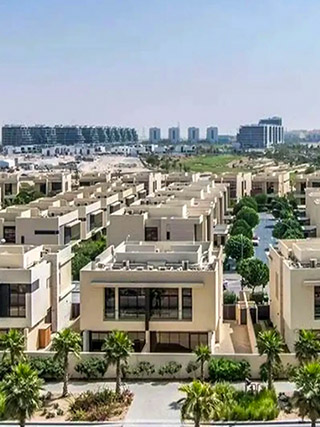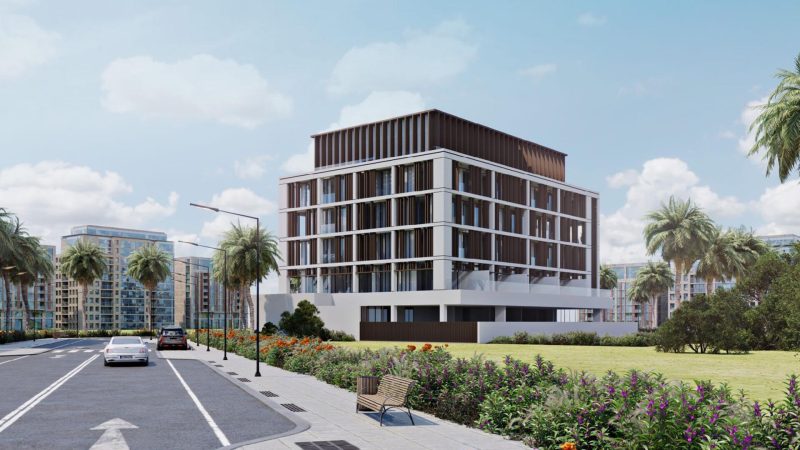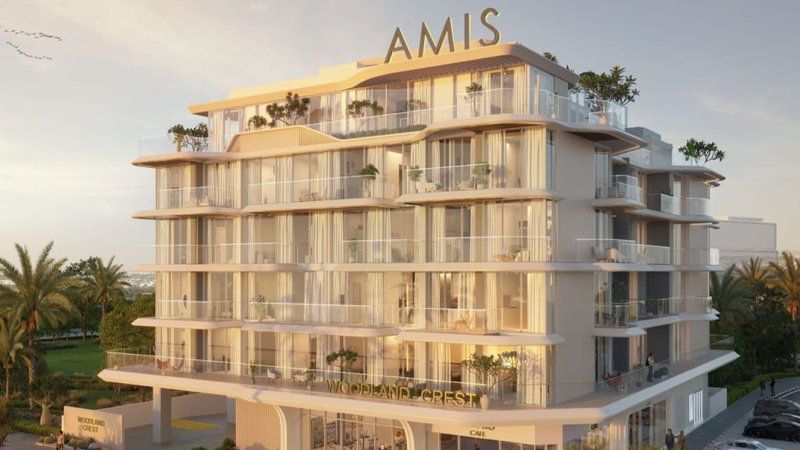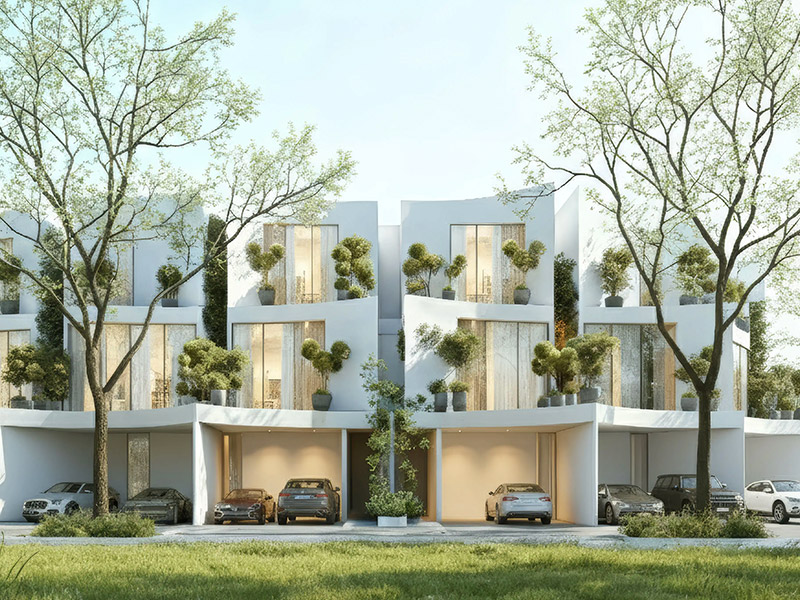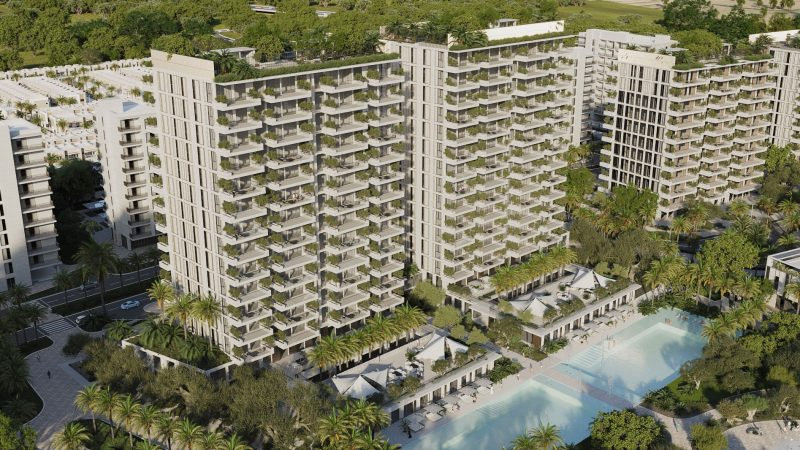
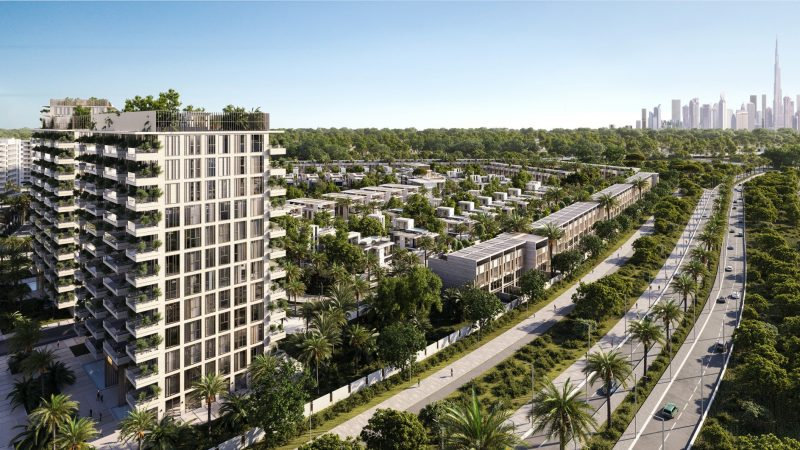
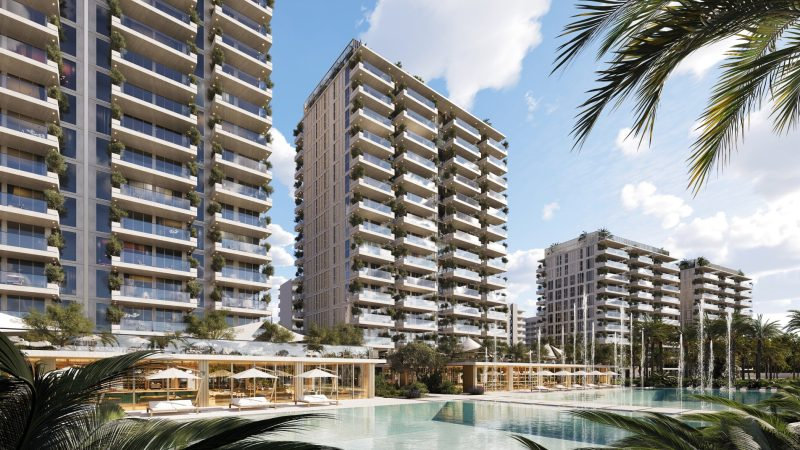
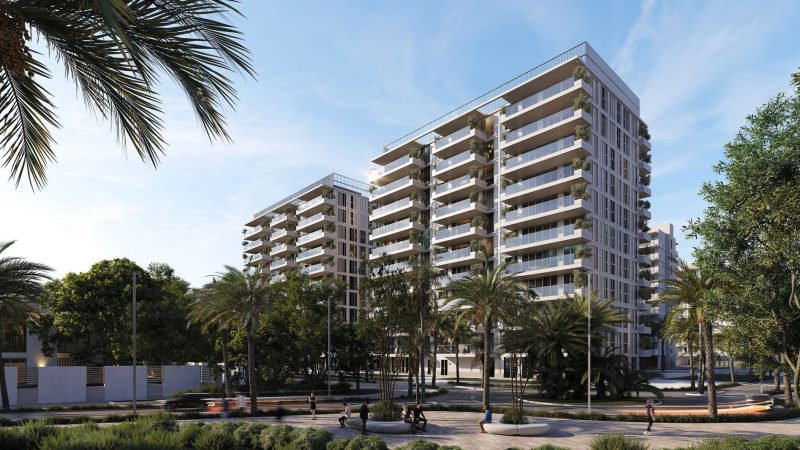
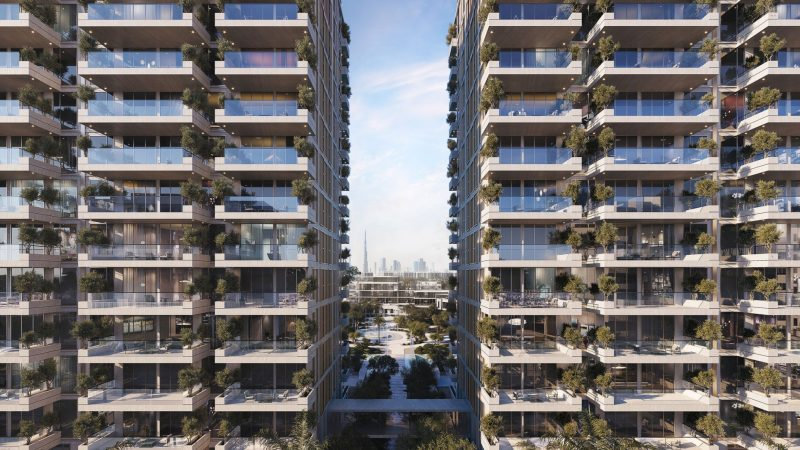
Keturah Reserve is a MAG development in District 7 of Mohammed Bin Rashid City, and it is not a single building. It is a small enclave: 124 townhouses, 65 plots sold for branded villas and an apartment block of 476 homes, all set around a central park. Everything about it is organized by a design philosophy the developer calls Bio Living, and that is the right place to begin.
Wellness architecture attracts a great deal of language that cannot be checked. Some of what is claimed here can be.
The homes are angled to take daylight deeper into the plan, the interiors are double-height in places to let warm air rise away from where people sit, and the layouts are drawn without internal corridors. Those are physical decisions with physical consequences. Deep daylight reduces the hours artificial lighting is running. Vertical volume genuinely moves air, which lowers the load on the cooling system in the shoulder months. And removing corridors is the most quietly valuable of the three, because circulation space is area that is paid for, cooled and cleaned without ever being lived in. A plan without it converts a higher share of the purchase into usable room.
The park is a different kind of claim. Mature olive trees have been brought in rather than saplings planted, so the landscape reads as established from the start instead of in a decade. Against that, permanent irrigation and maintenance of that scale reach the owners through the annual charge, and the projected figure is worth requesting before the design language does the persuading.
An apartment here sits inside a community whose centre of gravity is townhouses and villa plots. That position has a particular shape and it is worth seeing clearly.
The advantage is real. Landscaping, security, road finish and amenity standard in a scheme like this are set by what the villa buyers expect, and an apartment owner receives the same environment at a fraction of the entry cost. That gap between the price paid and the setting acquired is the strongest argument for this purchase.
The counterweights are two. In the owners’ association, voting weight typically follows floor area, so the apartment block collectively carries less influence over how the community is run than the number of households in it would suggest. And in a phased development of this kind the apartment building is rarely the first thing finished, which means the early years of ownership can involve living beside the completion of everything else.
Mohammed Bin Rashid City is an enormous masterplan and it is filling in unevenly, so the honest description of any address inside it is partly about neighbours who do not exist yet. This corner is one of the better-placed ones: Downtown and Dubai Mall sit about 5.6 km away, Dubai Hills Mall around 4.6, DIFC roughly 7 and Dubai International 14. That is central by the standards of anything with this much open ground around it.
The schedule takes 30% at booking and the remaining 70% at handover, with almost nothing spread across the build. It is an unusually simple structure and it favours the buyer during construction, since very little capital is exposed while the work goes on. What it demands in exchange is that the larger part of the price is available as a single sum when the building is declared complete. The registered completion date, the independently verified construction figure and the projected service charge together decide when that payment falls due and what this community costs to run afterwards. Gorilla Real Estate Dubai will put all three in front of a buyer before anything is signed.
We have exclusive projects and private listings that may suit you better.
The world's busiest international airport — seamless global connectivity for residents and investors.
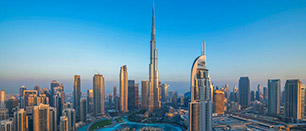
The world's tallest tower at 828 m — the defining icon and address benchmark of Downtown Dubai.
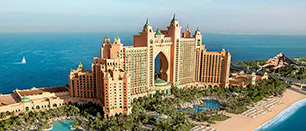
The landmark resort at the crown of Palm Jumeirah — a world-class destination in its own right.
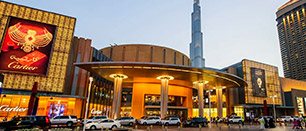
The world's most-visited mall — 1,200+ stores, a giant aquarium, and iconic Dubai Fountain views.
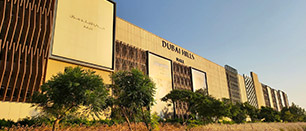
The lifestyle anchor of Dubai Hills Estate with curated retail, dining, and family entertainment.
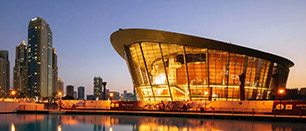
Downtown Dubai's dhow-shaped cultural icon hosting world-class opera, ballet, and theatre.
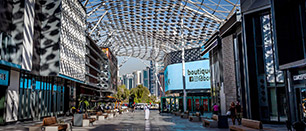
An open-air urban lifestyle district with curated boutiques, international dining, and street art.
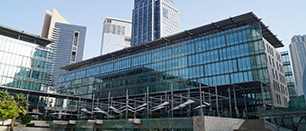
The Middle East's leading financial hub — global banks, law firms, and a premium arts district.
Meydan City is a premium development zone anchored by the Meydan Racecourse — one of Dubai's most recognisable landmarks — and the broader Mohammed Bin Rashid City masterplan. Positioned between Downtown Dubai and Dubai Silicon Oasis, it offers off-plan villa and apartment investments at a tier below Downtown pricing with a direct proximity argument that few emerging districts can genuinely make. Sobha Hartland sits within its borders. For investors targeting the premium segment without paying the fully realised Downtown premium, Meydan provides the closest credible alternative.
 USD 1 094 350
USD 785 296
USD 327 087
USD 1 769 911
USD 938 079
USD 223 826
USD 1 334 241
USD 544 588
USD 1 094 350
USD 785 296
USD 327 087
USD 1 769 911
USD 938 079
USD 223 826
USD 1 334 241
USD 544 588 Top rated
Select Group
Top rated
Select Group
A leading Dubai-based premium real estate developer established in 2002, delivering high-quality residential, mixed-use and waterfront projects across Dubai, the UAE and Europe. Known for reliability, landmark developments and a large delivered portfolio — offering both ready and off-plan homes.
 Top rated
Majid al Futtaim
Top rated
Majid al Futtaim
Diversified real estate developer and investor delivering large-scale mixed-use and urban destination projects across the region.
 Top rated
Aldar Properties
Top rated
Aldar Properties
Leading UAE real estate developer and asset manager delivering large-scale residential, commercial and mixed-use destinations.
 Top rated
The Heart of Europe
Top rated
The Heart of Europe
The Heart of Europe delivers ultra-luxury island residences and resort-led real estate within The World Islands, structured for second-home ownership and lifestyle-driven investment.
 Top rated
Eagle Hills
Top rated
Eagle Hills
Eagle Hills develops large-scale premium and luxury residential and mixed-use projects in globally recognized urban locations, targeting long-term investors and buyers seeking integrated city environments.
 Top rated
SOL Properties
Top rated
SOL Properties
SOL Properties delivers large-scale residential and mixed-use developments in established Dubai districts, suited to end-users and investors seeking execution reliability and long-term demand.
We are thrilled to speak with you!